Explore
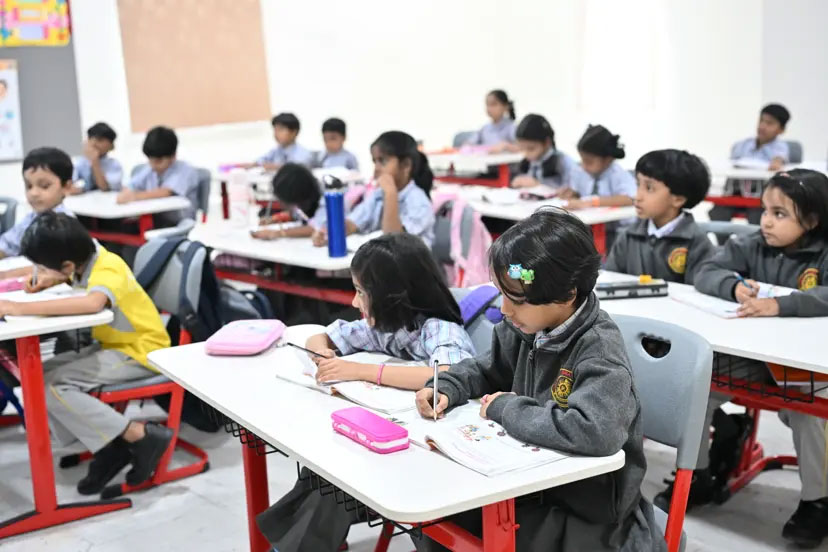
Begin with an observation or question that gives a reason to learn.

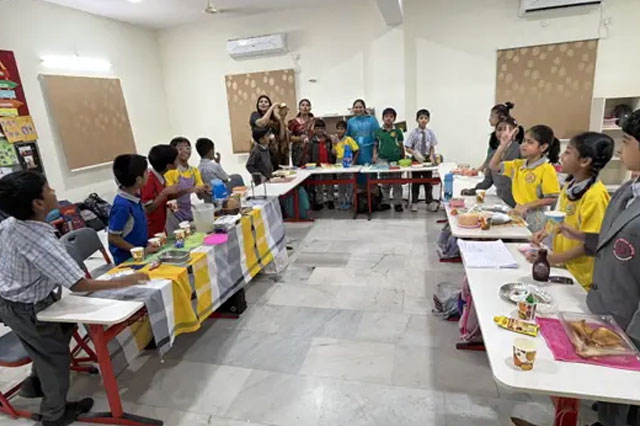
A purposeful balance of explanation, exploration and reflection.
A purposeful balance of explanation, exploration and reflection.
Understanding becomes stronger when children can explain an idea and use it in a different situation. A practical example, a conversation or a carefully chosen question can reveal connections that are not obvious from a definition alone. Give learners time to revisit ideas, notice patterns and describe the reasoning behind an answer.
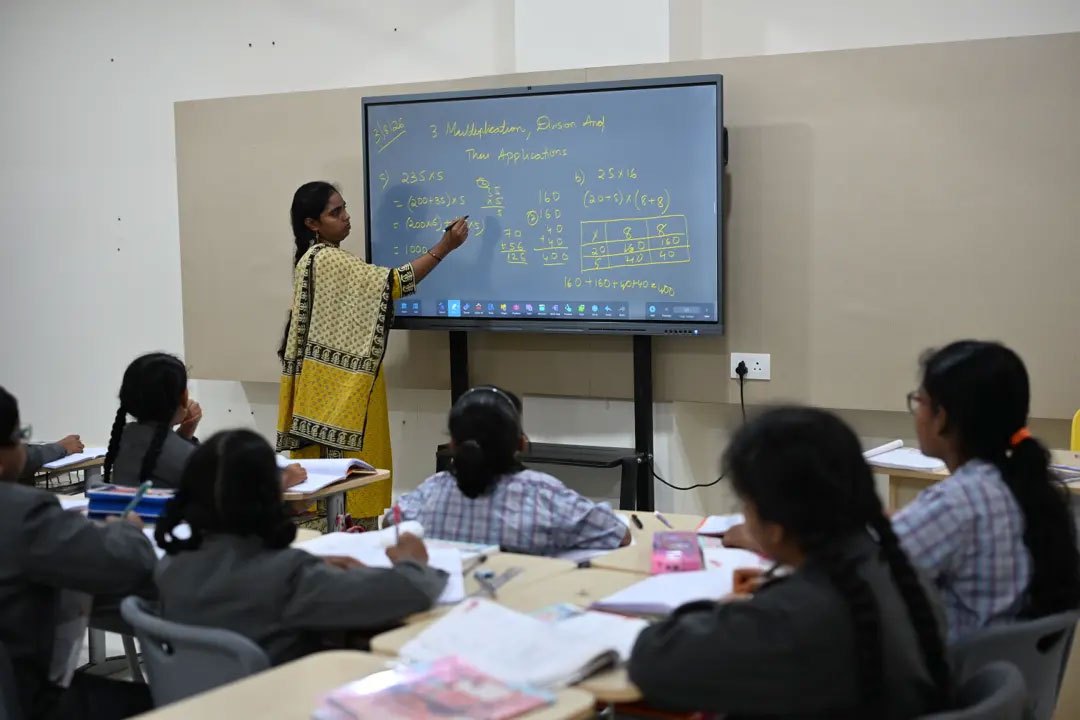
Begin with an observation or question that gives a reason to learn.
Use examples, discussion and supported practice to build understanding.
Try a new context, explain the result and identify what to improve next.
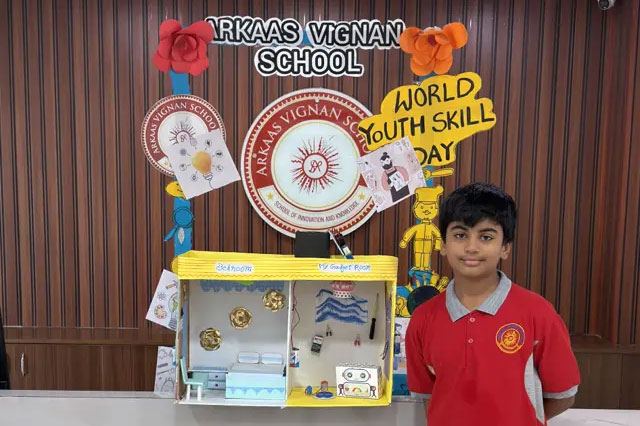
Questions reveal what children understand and what they want to discover. They encourage learners to explain ideas in their own words.
Guided practice, examples and practical activities build fluency. As confidence grows, children can work with greater independence.
Feedback should point to a clear next step. Reviewing work and discussing different approaches make improvement part of learning.
At home, invite your child to share what they are exploring and which part feels challenging. Reading, conversation and a consistent routine are useful starting points. When discussing progress with the school, bring specific observations and ask for a manageable next step. Progress is best understood over time, rather than through comparison with another child.
Speak with the school ↗