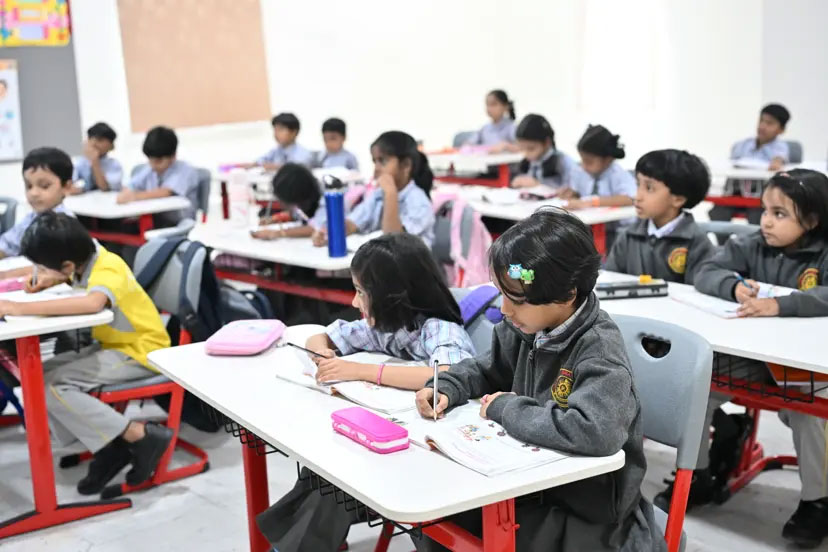
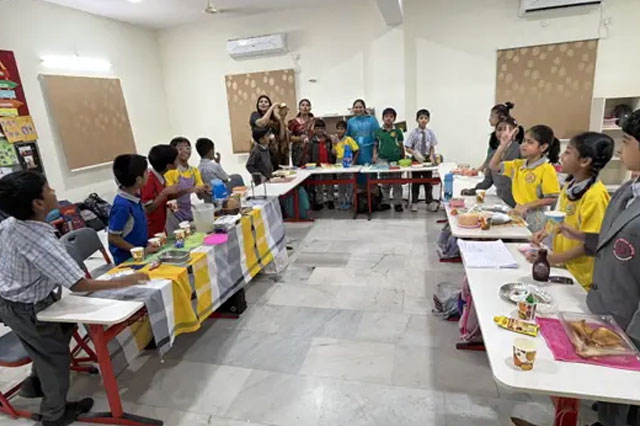
Investigate
Turn an observation into a question and consider what evidence could help answer it.

Practical curiosity brings science, technology and mathematical thinking together.
Practical curiosity brings science, technology and mathematical thinking together.
Understanding becomes stronger when children can explain an idea and use it in a different situation. A practical example, a conversation or a carefully chosen question can reveal connections that are not obvious from a definition alone. Give learners time to revisit ideas, notice patterns and describe the reasoning behind an answer.
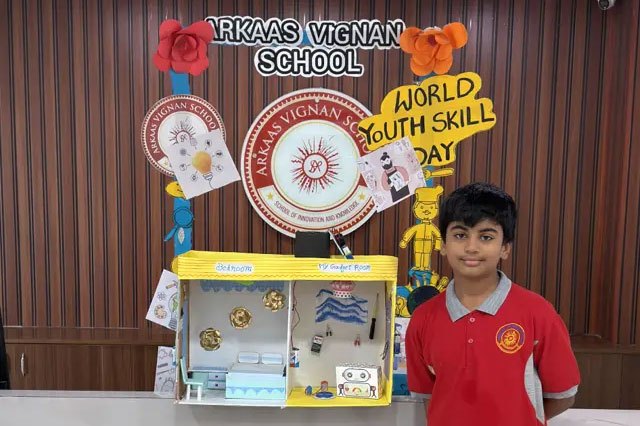
Turn an observation into a question and consider what evidence could help answer it.
Sketch an idea, choose materials and think about how different parts work together.
Test the result, record what happened and refine the approach in response to evidence.
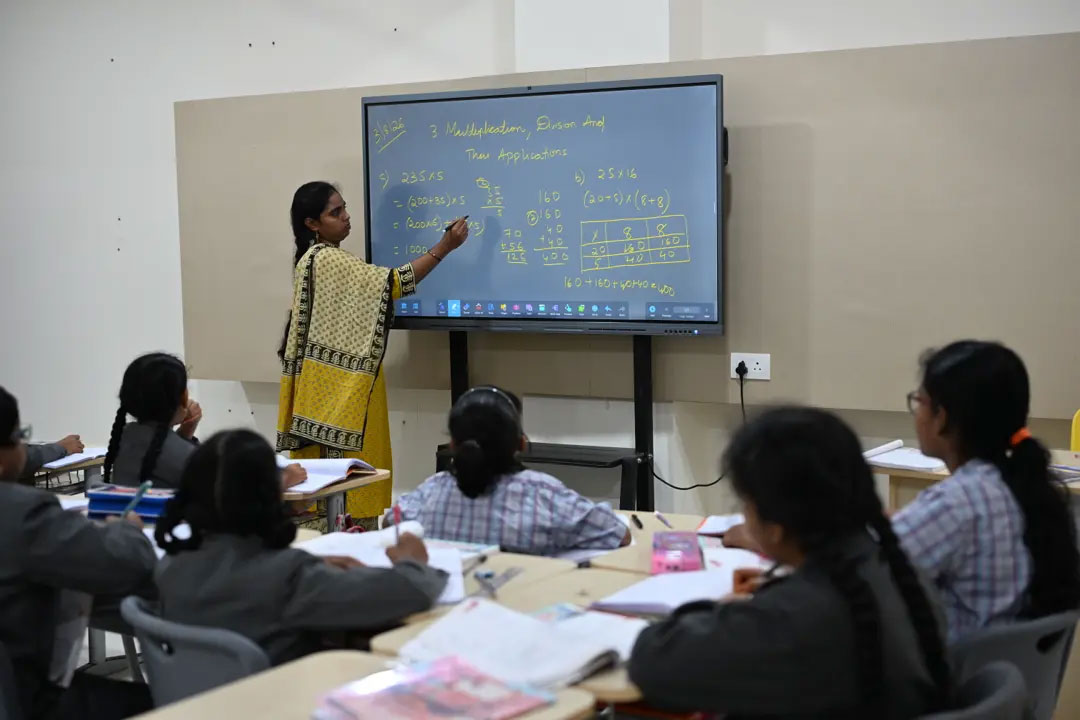
How does it work? What might change? Making predictions creates a useful starting point for investigation.
Models, demonstrations and design tasks connect concepts with practical decisions. Testing an idea can be as valuable as getting an answer right.
Observe carefully, record findings and explain what happened. Reflecting on an attempt helps learners refine ideas and appreciate persistence.
At home, invite your child to share what they are exploring and which part feels challenging. Reading, conversation and a consistent routine are useful starting points. When discussing progress with the school, bring specific observations and ask for a manageable next step. Progress is best understood over time, rather than through comparison with another child.
Speak with the school ↗