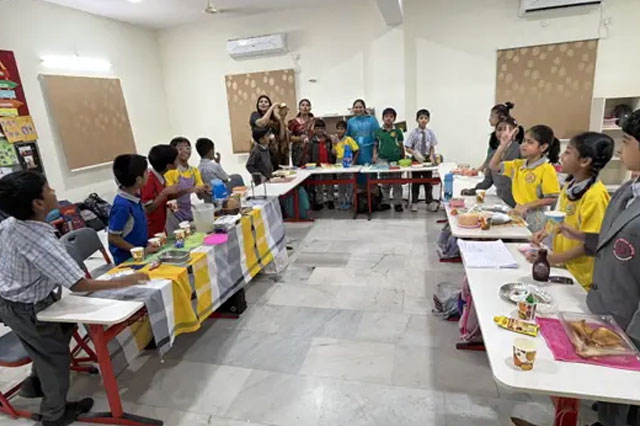
Observe
Discussion, classwork and practical tasks reveal different aspects of understanding.

Understanding what a learner knows helps identify their next step.
Understanding what a learner knows helps identify their next step.
Understanding becomes stronger when children can explain an idea and use it in a different situation. A practical example, a conversation or a carefully chosen question can reveal connections that are not obvious from a definition alone. Give learners time to revisit ideas, notice patterns and describe the reasoning behind an answer.
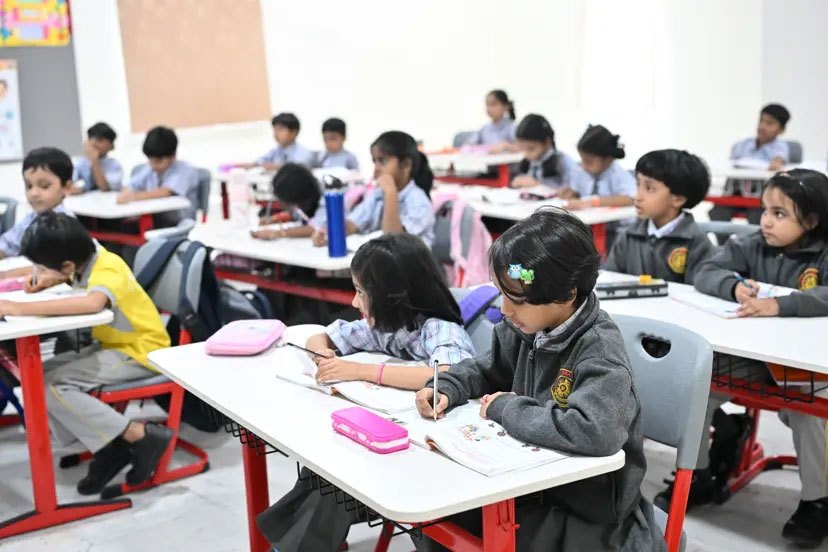
Discussion, classwork and practical tasks reveal different aspects of understanding.
Specific feedback helps a learner see what is working and identify a manageable improvement.
Revisiting a task and acting on guidance turns assessment into another opportunity to learn.
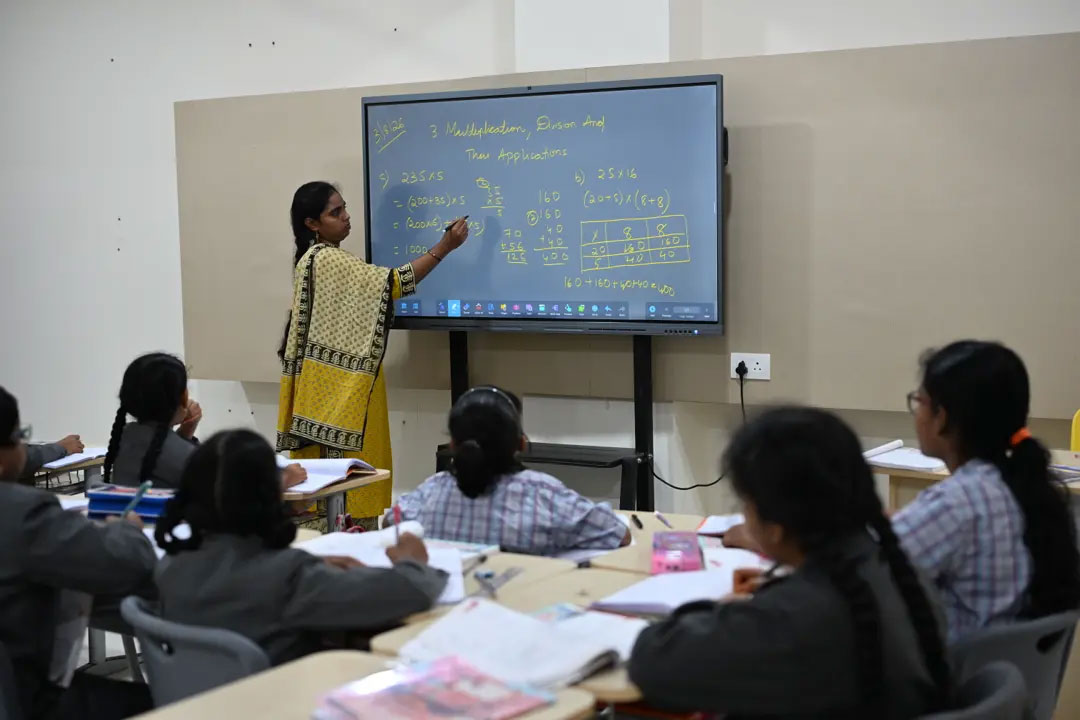
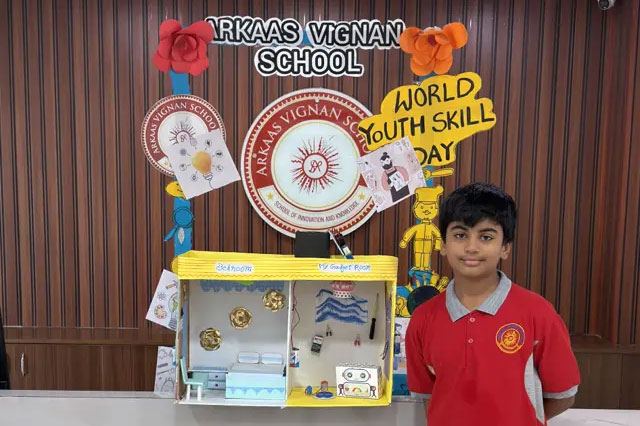
Classwork, discussions, written tasks and practical activities reveal different aspects of learning. Ask about the current grade-specific assessment approach.
Useful feedback recognises what is working and identifies a manageable area for improvement. Learners need time to revisit ideas and act on guidance.
For schedules, reporting arrangements and questions about progress, speak with the relevant academic team through the office.
At home, invite your child to share what they are exploring and which part feels challenging. Reading, conversation and a consistent routine are useful starting points. When discussing progress with the school, bring specific observations and ask for a manageable next step. Progress is best understood over time, rather than through comparison with another child.
Speak with the school ↗