Language and stories
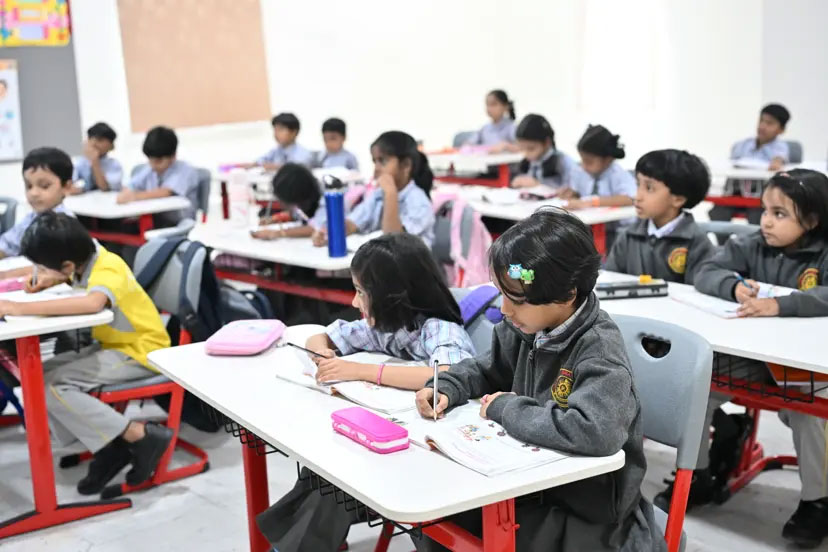
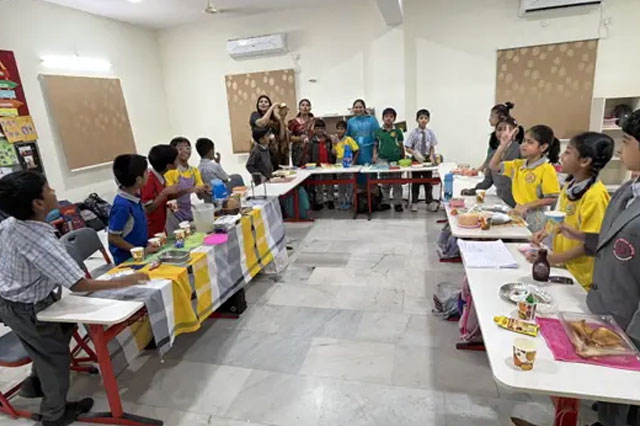
Rhymes, picture books and conversation encourage listening, vocabulary and the confidence to express an idea.

Nursery, PP1 and PP2: a warm introduction to the world of learning.
Nursery, PP1 and PP2: a warm introduction to the world of learning.
Understanding becomes stronger when children can explain an idea and use it in a different situation. A practical example, a conversation or a carefully chosen question can reveal connections that are not obvious from a definition alone. Give learners time to revisit ideas, notice patterns and describe the reasoning behind an answer.
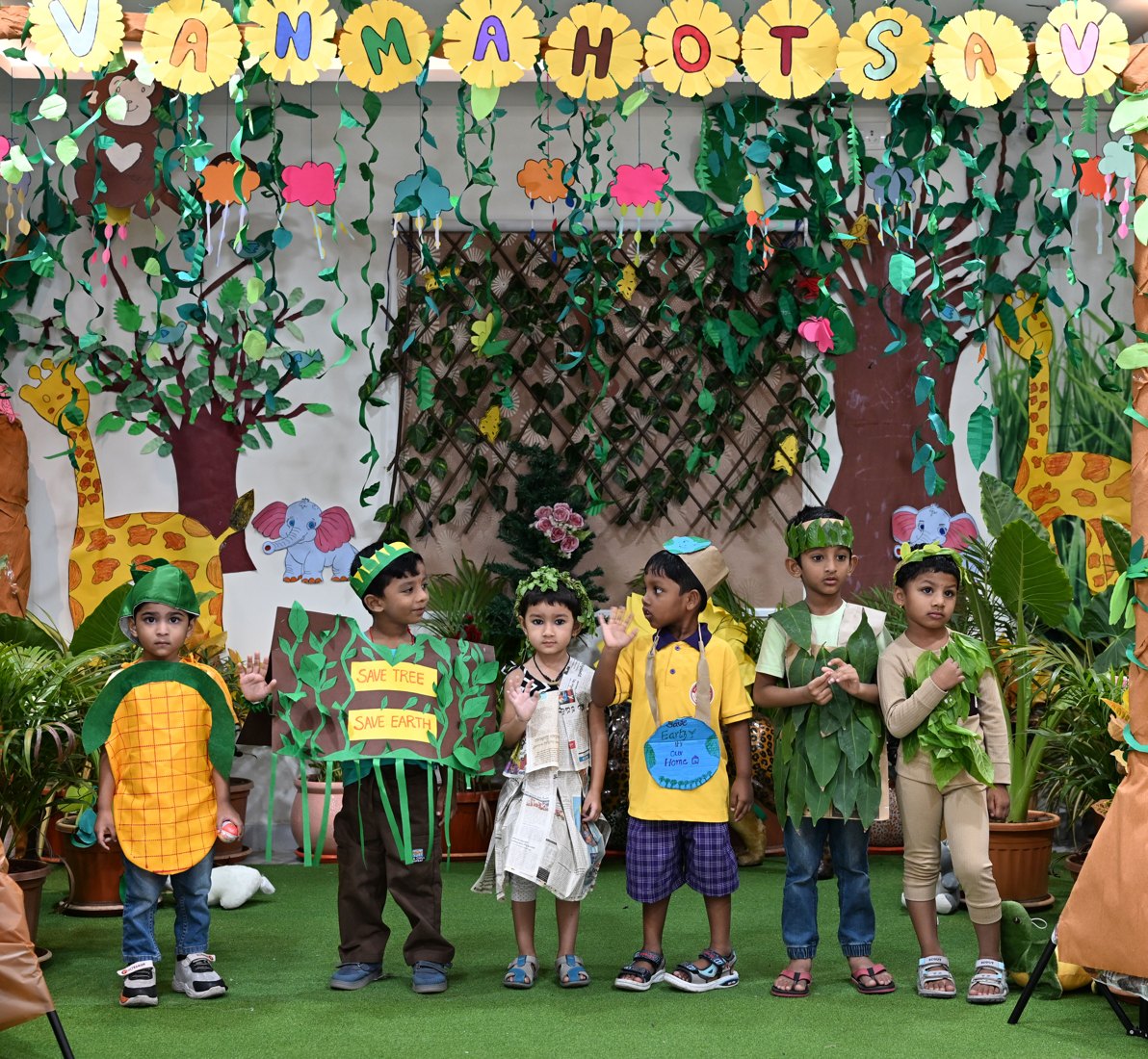
Rhymes, picture books and conversation encourage listening, vocabulary and the confidence to express an idea.
Sorting, matching, comparing and counting introduce mathematical relationships through familiar objects and playful exploration.
Simple routines and manageable choices help children practise coordination, communication and participation in a group.
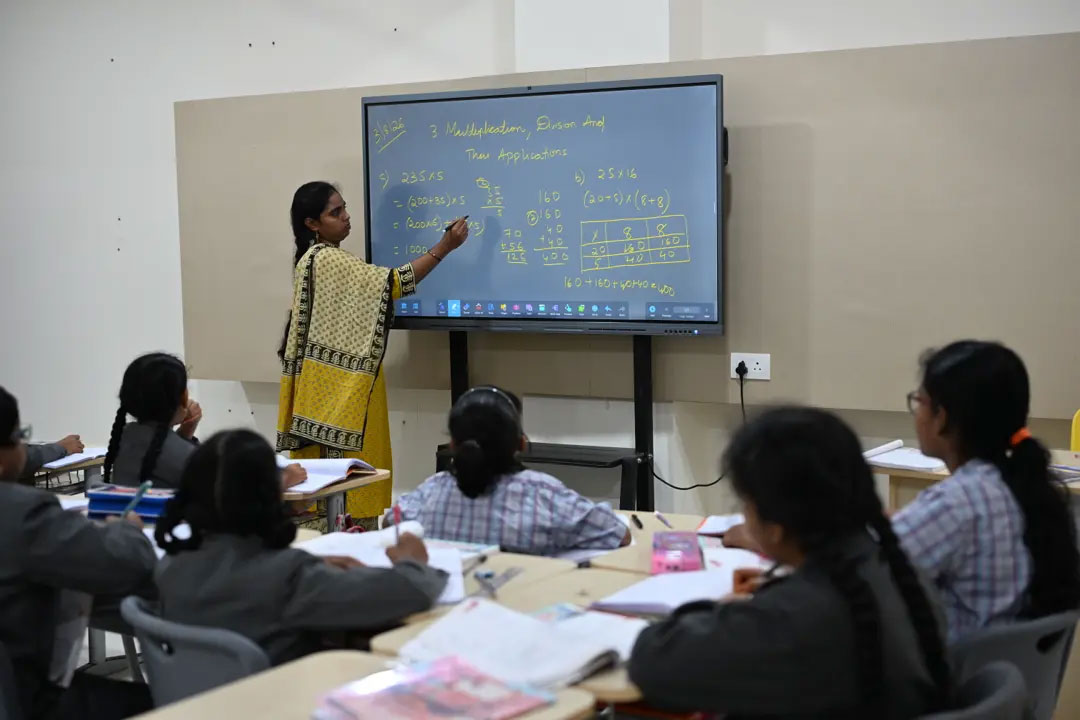
Stories, imaginative play and practical activities help young children understand their surroundings. Familiar routines support confidence as children settle into school.
Listening, vocabulary, mark-making and number awareness develop through meaningful experiences. Children are encouraged to notice, describe, compare and ask questions.
Taking turns, expressing needs and participating in a group are important milestones. Discuss settling-in expectations, age eligibility and daily routines with admissions.
At home, invite your child to share what they are exploring and which part feels challenging. Reading, conversation and a consistent routine are useful starting points. When discussing progress with the school, bring specific observations and ask for a manageable next step. Progress is best understood over time, rather than through comparison with another child.
Speak with the school ↗