Listen first
Share specific observations about confidence, learning, language and settling-in needs.

Start a conversation about your child’s needs, confidence and participation.
Start a conversation about your child’s needs, confidence and participation.
Understanding becomes stronger when children can explain an idea and use it in a different situation. A practical example, a conversation or a carefully chosen question can reveal connections that are not obvious from a definition alone. Give learners time to revisit ideas, notice patterns and describe the reasoning behind an answer.
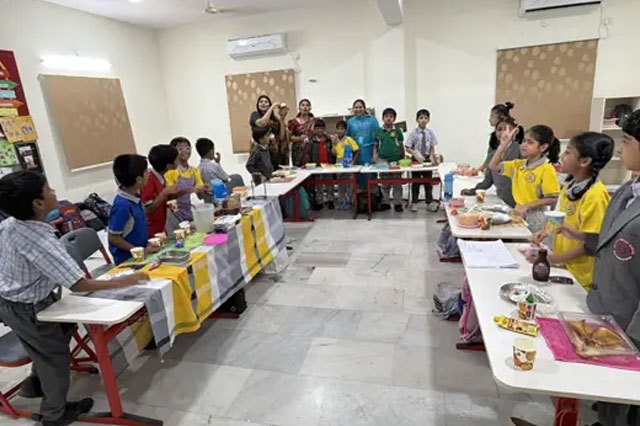
Share specific observations about confidence, learning, language and settling-in needs.
Focus on a manageable goal and clarify how school and home can support it.
Look for progress over time and discuss whether expectations or support need to be adjusted.

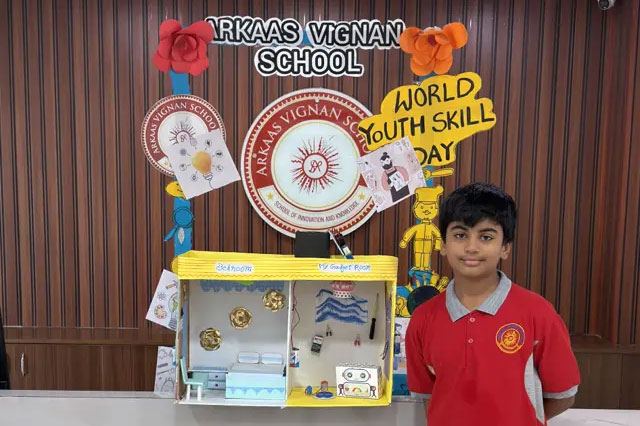
Tell the school about learning needs, language backgrounds and settling-in concerns. Early conversations help clarify expectations and available support.
Consistent routines and manageable goals can support confidence. Families and educators can share observations to identify useful next steps.
Contact the office about available support and accessibility arrangements. Specialist services and individual provisions must be confirmed with the school.
At home, invite your child to share what they are exploring and which part feels challenging. Reading, conversation and a consistent routine are useful starting points. When discussing progress with the school, bring specific observations and ask for a manageable next step. Progress is best understood over time, rather than through comparison with another child.
Speak with the school ↗