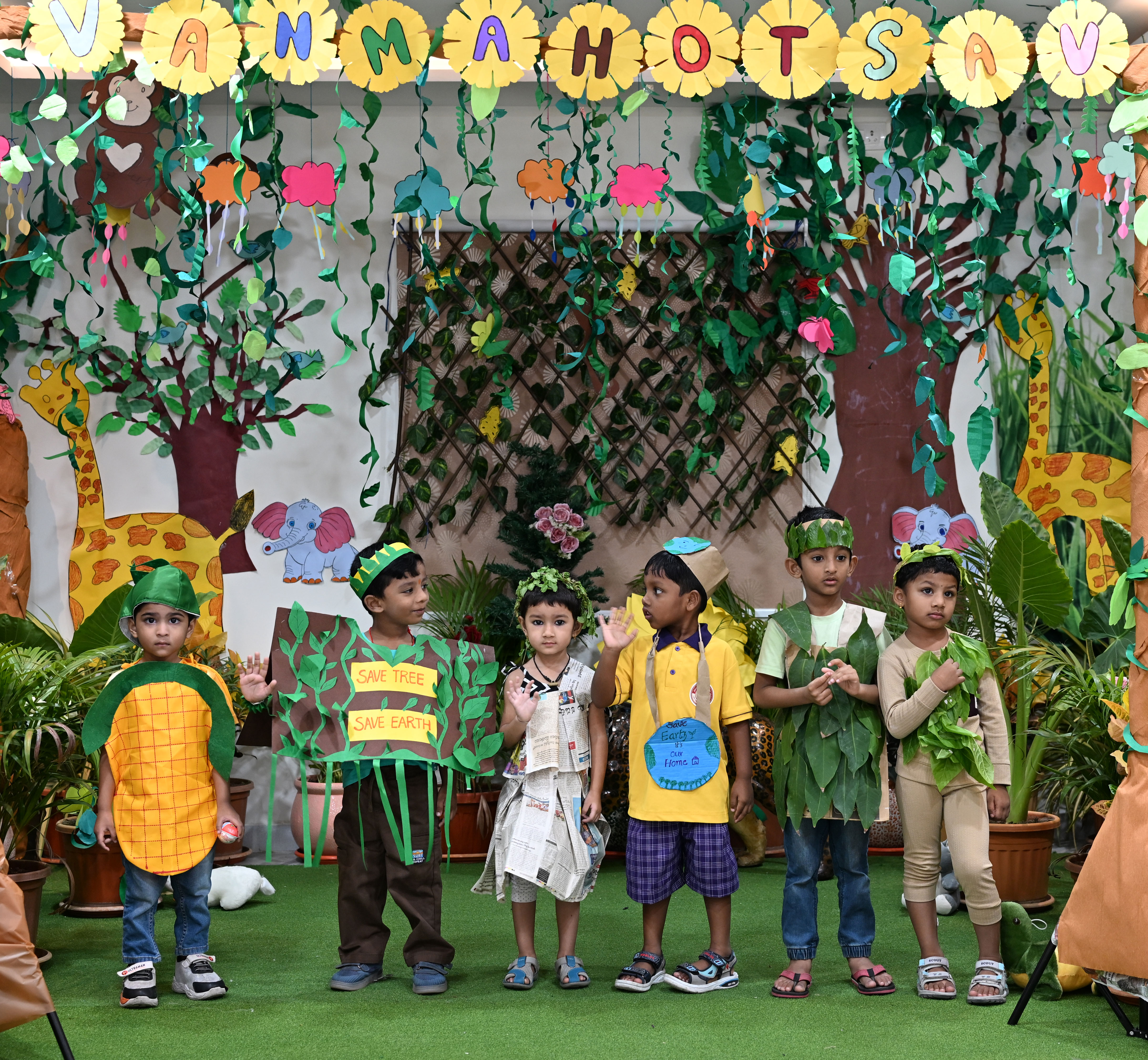
Early Years
Play, conversation and hands-on exploration introduce language, early number sense and the routines of school.

From early discovery to increasing independence, each stage builds on the one before.
From early discovery to increasing independence, each stage builds on the one before.
Understanding becomes stronger when children can explain an idea and use it in a different situation. A practical example, a conversation or a carefully chosen question can reveal connections that are not obvious from a definition alone. Give learners time to revisit ideas, notice patterns and describe the reasoning behind an answer.
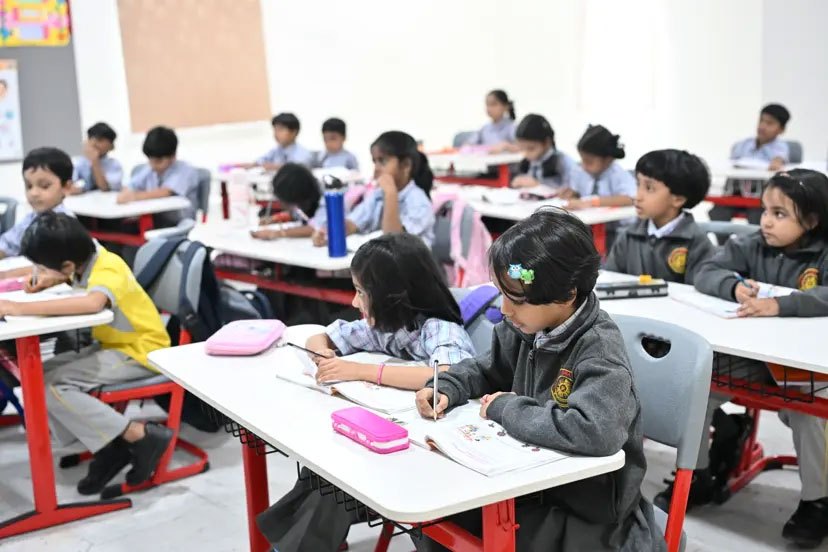
Play, conversation and hands-on exploration introduce language, early number sense and the routines of school.
Core skills become more secure as children read, reason, create and connect classroom ideas with everyday life.
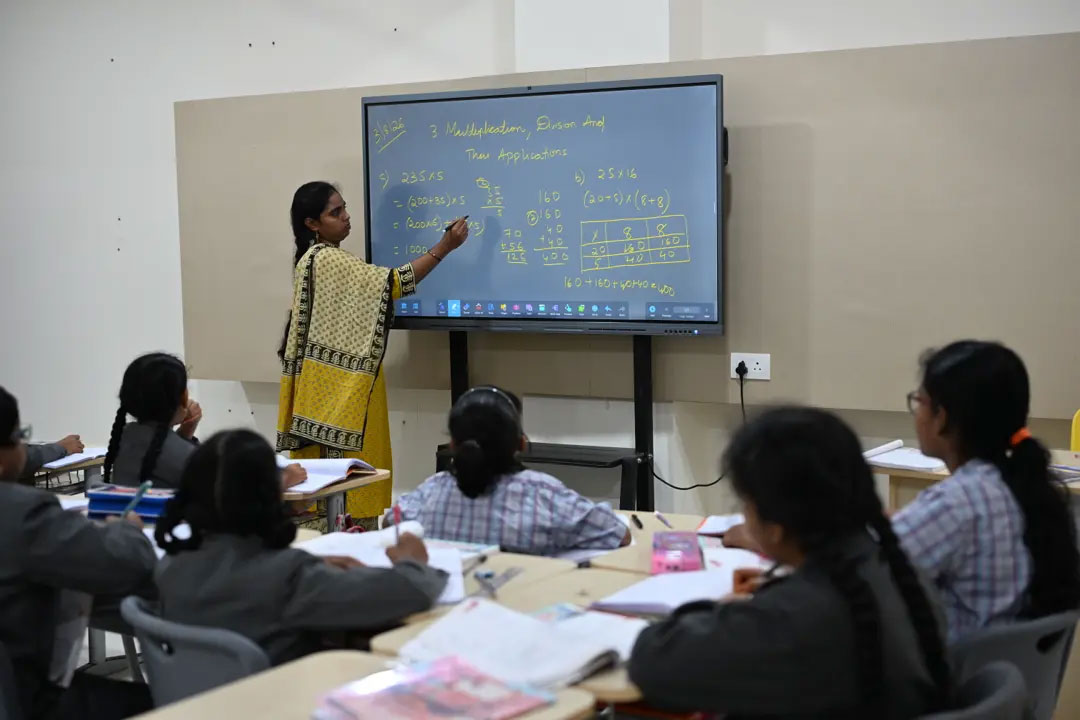
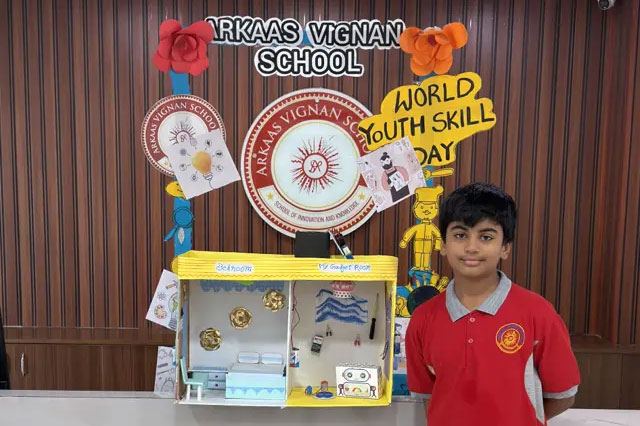
More structured subject learning develops deeper understanding, organisation and responsibility.
Play, conversation, stories and hands-on exploration introduce children to school. Early literacy and number sense develop alongside language and social confidence.
Children strengthen reading, writing and mathematical understanding while exploring their world through questions, activities and shared projects.
Subject learning becomes more structured. Learners practise reasoning, organisation and communication as they take greater responsibility for their work.
At home, invite your child to share what they are exploring and which part feels challenging. Reading, conversation and a consistent routine are useful starting points. When discussing progress with the school, bring specific observations and ask for a manageable next step. Progress is best understood over time, rather than through comparison with another child.
Speak with the school ↗